
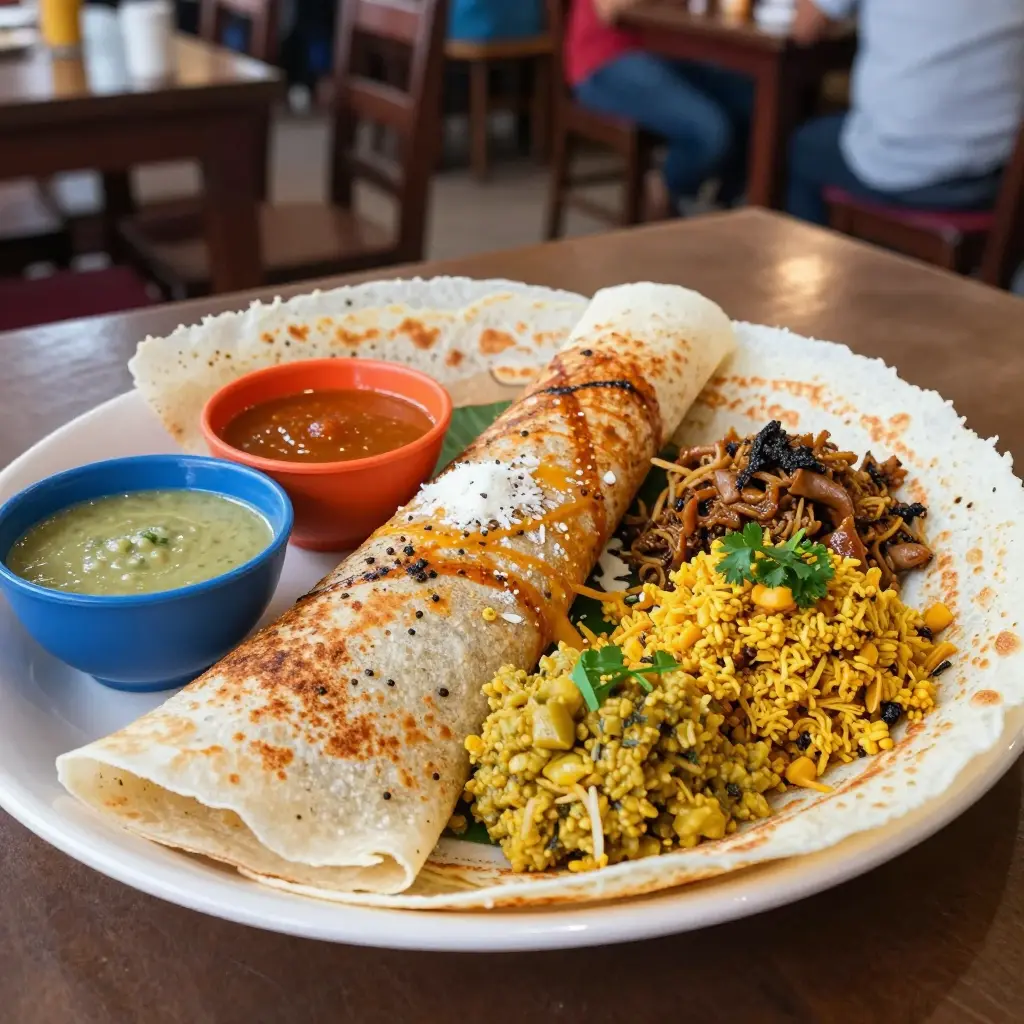
Reading a Dosa Menu Like a Regular
A dosa menu gets easier the moment you stop trying to read all of it. Standing in line at a busy counter, you don’t need to memorize every dish name or quiz the server about each item. Three things decide what lands on your plate: the batter, how long the dosa stays on the tawa, and which chutney comes with it. Get those straight and the ordering takes care of itself.
That’s what this guide is for. Whether you’ve been eating at South Indian restaurants in Sterling for years or you’re looking for a new weekend spot, by the end you should be able to open the Sterling dosa menu and know what you want.
The three levers:
- Batter – the base of every dosa, and what decides whether your crepe tastes tangy, nutty, or soft and mild.
- Roast level – from pale and pillowy to golden and shatter-crisp, this is the single biggest factor in texture.
- Chutney – coconut, tomato, peanut, or mint, the sauces that tie the entire plate together.
Once you know them, you can ask for the crisp edges you actually want and the chutney you’ll finish.
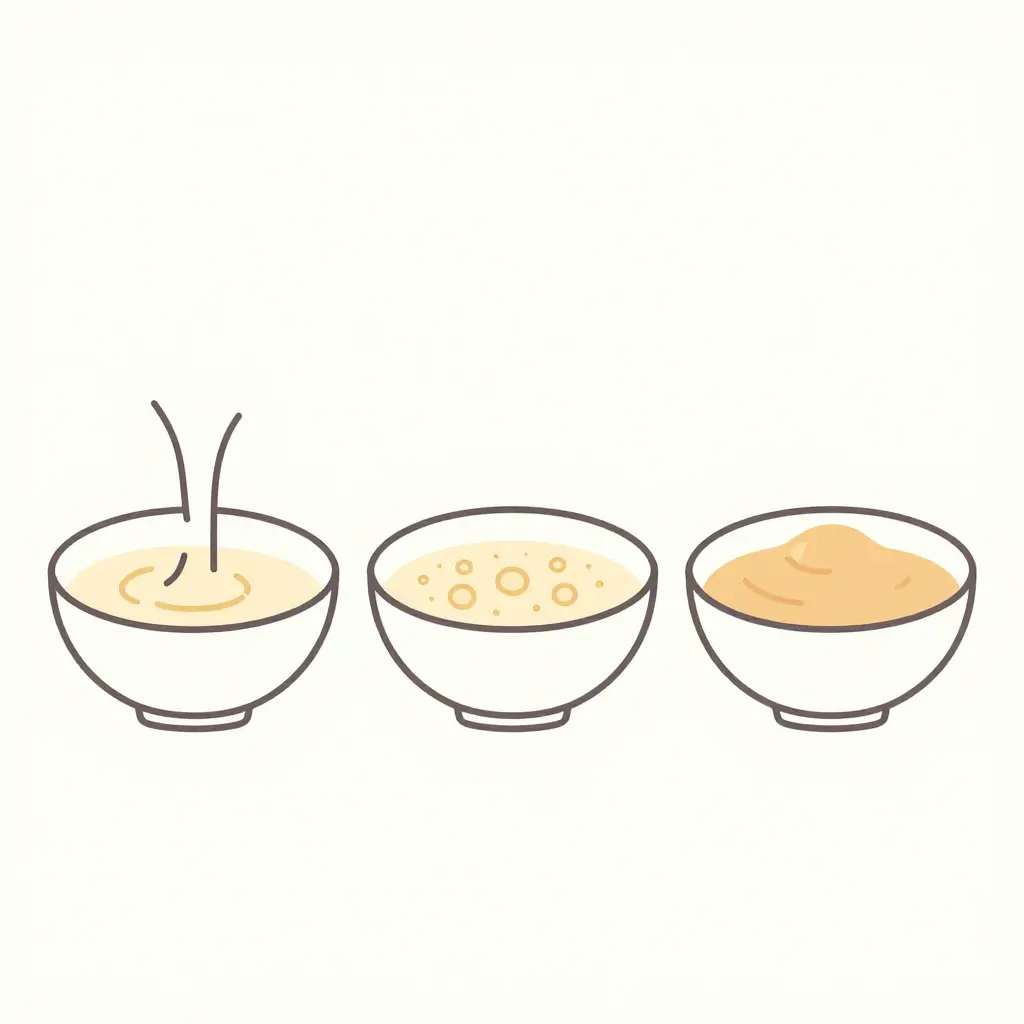
Pick Your Roast Level: Pale, Golden, or Crackling
Roast level is just how long the dosa sits on the griddle, and it changes almost everything about the bite. Treat it as a range rather than three fixed settings. At one end you get a soft, foldable dosa; at the other, a thin, glassy crepe that shatters when you press a fork into it. The batter recipe is the kitchen’s call; the roast is where your own taste takes over.
Pale and light
Pulled off the griddle early, a pale dosa stays soft and pliable with barely any color. It bends instead of cracking, feels tender in the mouth, and holds very little oil. Because it stays flexible, it wraps around fillings neatly and carries a heavy masala without tearing.
Golden and medium
This is the middle ground most people picture. The surface turns an even golden brown, the edges pick up a light crispness, and the center keeps a little give. The ghee or oil brushed on leaves it slightly oily to the touch, and it holds fillings well while still giving you that first crunch.
Dark and extra-crisp
Left on the griddle longer, the dosa turns deeply toasted, thin, and shattering. It has a stronger roasted flavor and a noticeably oilier sheen. This one doesn’t forgive wet fillings, so eat it fast, straight off the tawa.
How to choose
Feeding kids or a table that likes to share and dip? Go pale or golden; a soft, pliable dosa is easier to handle and holds generous fillings. Chasing an audible crunch? Ask for the extra-crisp roast and eat it while it’s hot. You can browse the dosa place in Sterling menu before you order.
Roast Level at a Glance
If you’re torn between a soft, pale dosa and a crackly dark one, this comparison lays out the trade-off. The longer the roast, the higher the crispiness and the more oil gets worked into the batter on the tawa.
[image]
The two bars climb together: Light/Pale sits low on both crispiness and oil, Medium/Golden lands in the middle, and Dark/Crisp pushes both near the top. Next time the server asks, “How roasted would you like it?” you’ll have an answer.
Chutneys and Sides: Matching Flavors to Your Dosa
Chutney does more work on a dosa plate than it usually gets credit for. It cools a hot bite, sharpens the flavors, and lets you adjust every mouthful to your own heat tolerance. At a good dosa place in Sterling, the chutneys and sambar arrive with the dosa; the rest is mixing and matching.
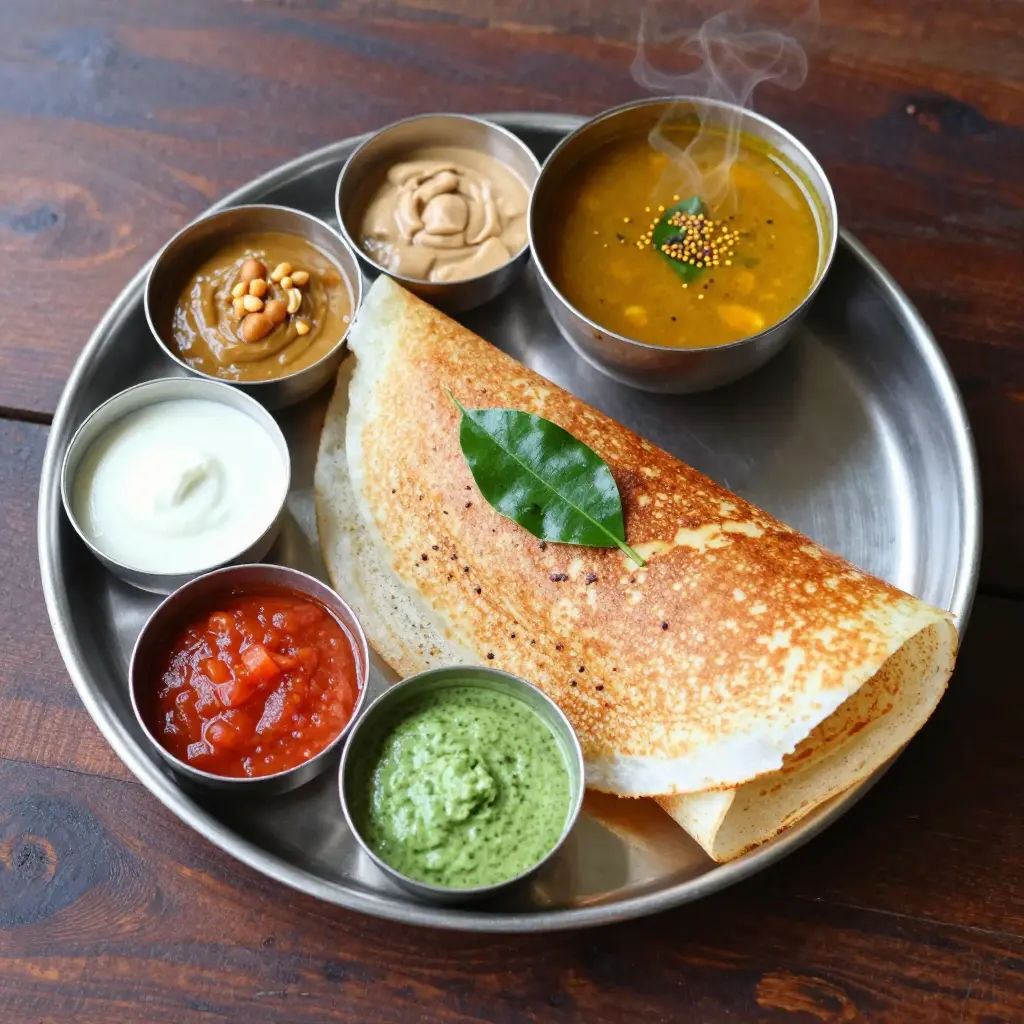
The classics, one by one
Coconut chutney is the cooling anchor. Ground coconut, green chili, and tempered mustard seeds give it a creamy, mellow profile that softens the burn of hotter sides. It’s mild enough to suit almost anything.
Tomato and onion chutney brings a tangy, savory punch. Slow-cooked tomatoes with onions, curry leaves, and dried red chili make it rich and a little smoky, with moderate heat that builds as you eat.
Peanut (groundnut) chutney is the nutty one. Roasted peanuts blended with chili and garlic make a thick, earthy spread that adds body to a plain bite and works well with a crisp rava dosa.
Mint-coriander chutney, or pudina, is herby and bright. Fresh mint and cilantro with green chili give it a cool, grassy finish and a clean heat that cuts through anything fried.
Sambar isn’t technically a chutney, but the plate isn’t complete without it: a warm, tangy, tamarind-based stew of lentils and vegetables, gently spiced and made for dipping, drizzling, and spooning up on its own.
Matching chutney to your dosa
A light, soft batter like plain or set dosa does best with cooling coconut and mint-coriander, which stay out of the way of the delicate tang of the fermented rice and lentil. Heavier chutneys can bury it.
A crisp rava dosa wants the opposite. Its crunch and slight sweetness stand up to bold partners: nutty groundnut and tangy tomato-onion. The contrast of textures is the whole point.
If you’re heat-shy, start with coconut and sambar, then add the chili-forward ones a little at a time. If you love spice, layer the tomato-onion and mint chutneys together for a tangy, herby kick.
None of this is a strict rule, just a starting point. Order a couple of dosas, get a bowl of each chutney, and build your own combination.
Chutney and Dosa Pairing Cheat Sheet
Matching the right chutney to the right dosa is the fun part. Use this cheat sheet to read the Sterling menu like a regular.
| Dosa/Batter Style | Best-Matching Chutney | Why It Works |
|---|---|---|
| Classic rice-and-urad (plain) | Coconut chutney | The crisp, tangy crepe is mild on its own, and cool, creamy coconut is the classic match. |
| Rava / semolina | Tomato-onion chutney | Rava’s grainy crunch needs something punchy. Tangy tomato-onion gets into every ridge and keeps each bite lively. |
| Wheat / whole-grain | Peanut chutney | Earthy grain meets nutty, garlicky peanut. Hearty without being heavy. |
| Masala-stuffed | Onion or tomato chutney | The spiced potato filling is rich on its own, so a sharp, bright chutney cuts through it. |
| Ghee / podi-focused | Podi + ghee, or coconut chutney | With ghee and podi already on the dosa, go cool with coconut or double down with more podi. |
Once you’ve picked your plate, all that’s left is telling the kitchen how you want it.
Frequently Asked Questions About the Dosa Menu
What is the difference between rava and regular dosa batter?
Rava dosa has semolina blended into the batter, which gives it a crisp, lacy, net-like texture. Regular dosa batter is fermented rice and urad dal, so it comes out softer, fluffier, and a little tangy. At our dosa place in Sterling, both are made fresh, so pick whichever texture you’re craving.
Is a darker roast always better?
Not at all. A deep golden-brown roast gives you that crunchy edge many people love, but a lighter roast keeps the dosa soft and pliable, which is great for scooping up chutney. It comes down to whether you want crunch or chew, so order it your way.
Which chutney is mildest for children?
Coconut chutney is the safest bet for kids since it is creamy, slightly sweet, and has almost no heat. If your little one likes a bit of tang, tomato chutney is usually gentle too. Just ask us to hold the spicy red chutney when you’re ordering for young eaters.
Can I get a dosa that is less oily?
Yes. Ask for it cooked light on the tawa and we’ll go easy on the ghee or oil. Rava and plain dosas tend to come out leaner than the butter-heavy varieties, so those are smart picks if you’re watching oil.
Are there no-onion-no-garlic or Jain-friendly options?
We do. Many dosas and chutneys have no-onion-no-garlic versions, and we can prepare dedicated Jain-friendly options on request. Just let your server know before you order so the kitchen can adjust the batter and sides.
Bringing It Together: Read the Menu, Enjoy the Dosa
Once the three levers make sense, ordering at a dosa place in Sterling stops being a guessing game. The batter sets the character of your dosa: classic rice-and-urad for that gently tangy, airy lift, or rava or multigrain when you want something crisper and a little heartier. The roast level shapes the texture: keep it pale and pillowy if you like your dosa soft and foldable, or go deep golden and crackly if you live for that snap. And the chutney brings the finish, whether that’s cool coconut, sharp tomato, or bright mint, with a bowl of sambar ready for dunking.
Put the choices together and you can build the dosa you’re in the mood for. Craving something light and quick on a weekday? Go for a thin, crisp roast with a fresh chutney. Feeding a hungry table on a lazy weekend? Choose a thicker batter, a darker roast, and a couple of chutneys to pass around. There’s no wrong combination, just your combination.
When you’re ready, take a look at the full Sterling dosa menu and let your appetite decide. If you’re curious about other spots around town, our guides to a dosa express near me and a welcoming House of Dosas near me are handy for planning your next craving. Read the menu, pick your levers, and enjoy every crispy, chutney-slicked bite.